Beyond the Cup: 10 Mindful Benefits of the Japanese Tea Ceremony
Key Takeaways
- Active Meditation in Motion: Unlike passive meditation, the Japanese tea ceremony uses deliberate physical gestures—purifying utensils, whisking matcha, and focusing on sensory details—to anchor the mind naturally in the present moment.
- Neuroscientific & Physiological Relief: Combining the calming effects of L-theanine in matcha with a quiet, rhythmically structured environment helps lower cortisol, regulate breathing, and reduce daily cognitive anxiety.
- Philosophical Grounding for Daily Life: Concepts like Ichigo Ichie (treasuring the unrepeatable present) and Wa-Kei-Sei-Jaku (Harmony, Respect, Purity, Tranquility) provide practical mental frameworks for emotional balance beyond the tea room.
In our fast-paced, hyper-connected world, finding true moments of stillness can feel almost impossible. While drinking tea has long been celebrated for its physical health perks, combining high-grade green tea with the ancient ritual of the Japanese Tea Ceremony (Chano-yu) creates a powerful synergy for both body and mind.
Beyond a simple beverage, the tea ceremony is a holistic practice designed to cultivate presence, mental clarity, and inner peace. Here are 10 key benefits of incorporating tea and tea ritual practice into your life.
1. Powerful Antioxidant Protection (Catechins)
Green tea—especially matcha—is packed with epigallocatechin gallate (EGCG), a potent antioxidant. Catechins help combat oxidative stress, support immune health, and promote overall longevity from the inside out.
2. Calm, Sustained Alertness (L-Theanine & Caffeine)
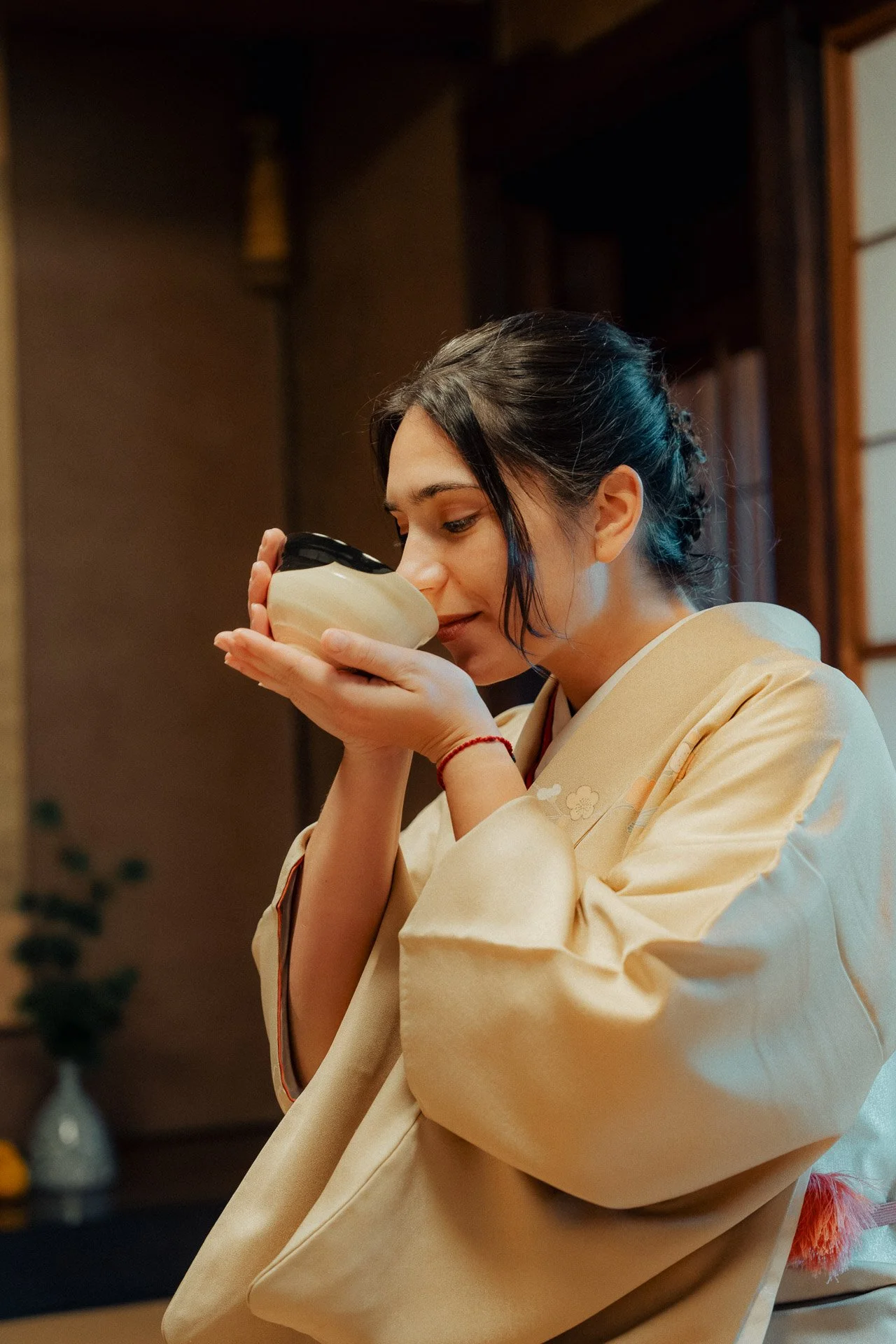
Unlike the sudden spikes and jittery crashes associated with coffee, tea offers balanced energy.
The amino acid L-theanine works together with natural caffeine to generate alpha waves in the brain, fostering a state of relaxed focus without the anxiety.
Inside our private tea room, this gentle equilibrium allows you to slow down, quiet the mind, and experience a profound state of meditative presence that stays with you long after the ritual ends.
3. Active "Moving Meditation" (Mindfulness)
The precise, intentional movements of temae (tea preparation) demand absolute presence. By focusing entirely on pouring water, whisking matcha, and handling handcrafted utensils, the tea ceremony functions as an active form of mindfulness, sweeping away everyday worries.
4. Refined Posture & Body Awareness
Practicing tea ceremony etiquette on traditional tatami floors naturally strengthens core stability and encourages good posture. Over time, these graceful movements translate into quiet confidence and poise in daily life.
5. Deep Sensory Awakening
A traditional tea room is a sanctuary engineered for the senses. From the soothing sound of boiling water (matsukaze, or wind in the pines) to the delicate aroma of seasonal incense and the earthy texture of a handmade ceramic bowl (chawan), the experience gently reawakens fatigued senses.
6. Cultivating Harmony and Mutual Respect (Wa)
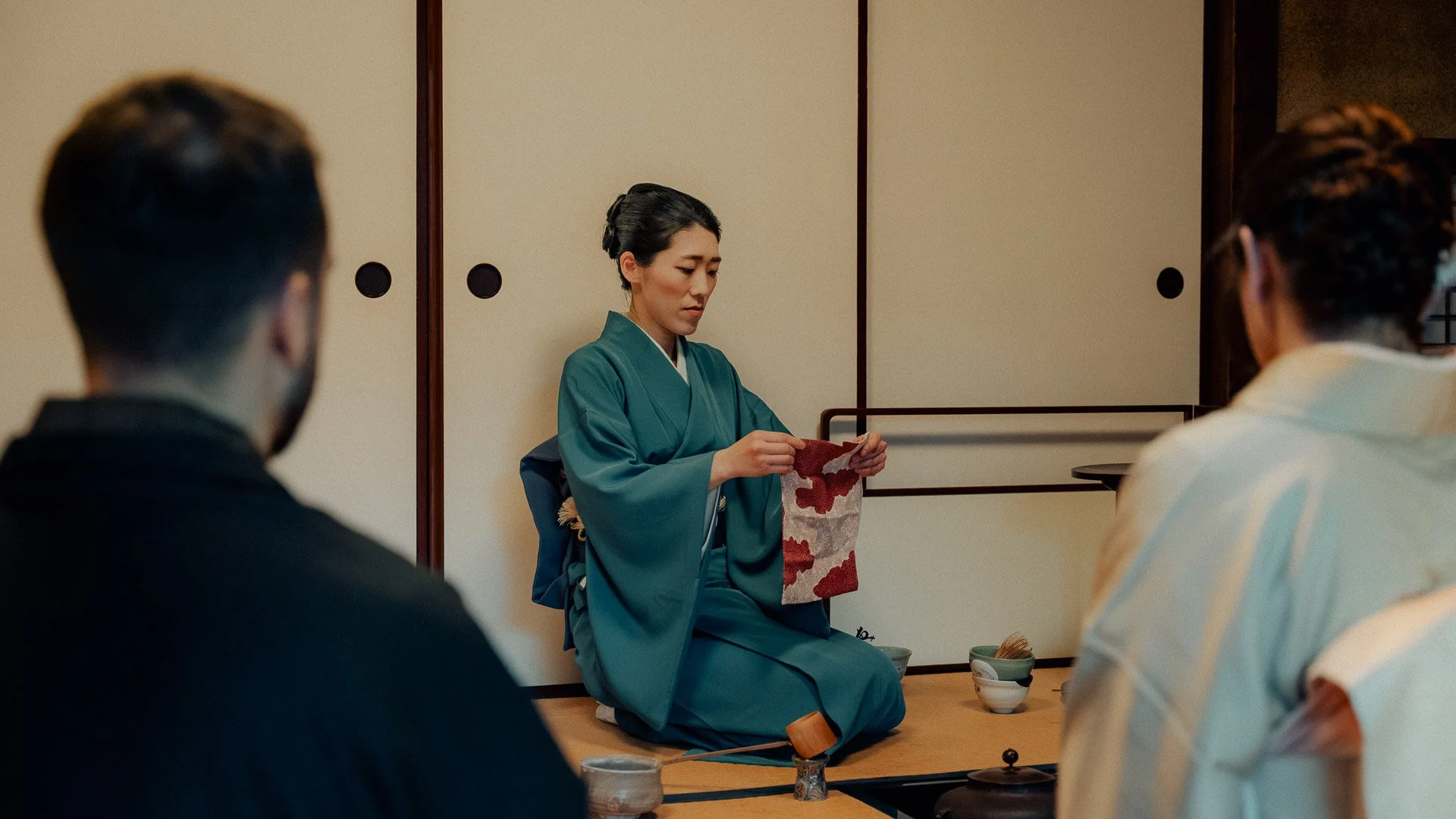
At the heart of Japanese tea culture lies Wa (Harmony) and mutual respect. The unspoken dance between host and guest emphasizes empathy, deep listening, and hospitality—offering a powerful framework for meaningful human connection.
Every gesture, from the handling of the utensils to the shared bowl of tea, reflects a genuine consideration for others. This timeless practice offers a grounding perspective that seamlessly enriches daily relationships long after your journey ends.
7. Embracing the Preciousness of Time (Ichigo Ichie)
The philosophical core of the tea room is Ichigo Ichie—the understanding that every single gathering is a once-in-a-lifetime occurrence that can never be repeated. This mindset teaches us to treasure the present moment with those around us.
8. Appreciation for Minimalist Aesthetics
Stepping into a tea ceremony introduces you to timeless Japanese aesthetic philosophies, such as Wabi-sabi (beauty in imperfection) and Kirei-sabi (refined elegance with grace). It shifts your perspective toward noticing subtlety and art in simple, everyday objects.
9. Sharpened Focus & Cognitive Clarity
Following the rhythmic, step-by-step ritual clears mental clutter. Taking time out to slow down and focus on a single task builds mental resilience, enhancing clarity and decision-making when you return to your routine.
10. The Ultimate Digital Detox
In a tea sanctuary, smartphones, screens, and notifications cease to exist. Stepping away from technology—even for an hour—gives your mind and eyes a well-deserved rest, allowing you to recharge at a much deeper level.
Reclaim Your Inner Calm at Towa Kyoto
Understanding the benefits of tea is one thing—experiencing them in an authentic, tranquil tea room is another entirely.
At Towa Kyoto, we invite you into a private sanctuary dedicated to the noble Kobori Enshu-ryu tradition of Kirei-sabi (graceful elegance). Whether you are a first-time visitor or a lifelong lover of Japanese culture, our private tea experiences offer a warm, welcoming space tailored to your comfort.
Warm & Beginner-Friendly: No prior knowledge or complex posture required; we guide you gently through every step.
Exclusive Private Sessions: Enjoy an intimate, serene atmosphere reserved solely for you and your companions.
Authentic Mastercraft: Savor premium matcha accompanied by exquisite seasonal sweets and historic artisan tea ware.
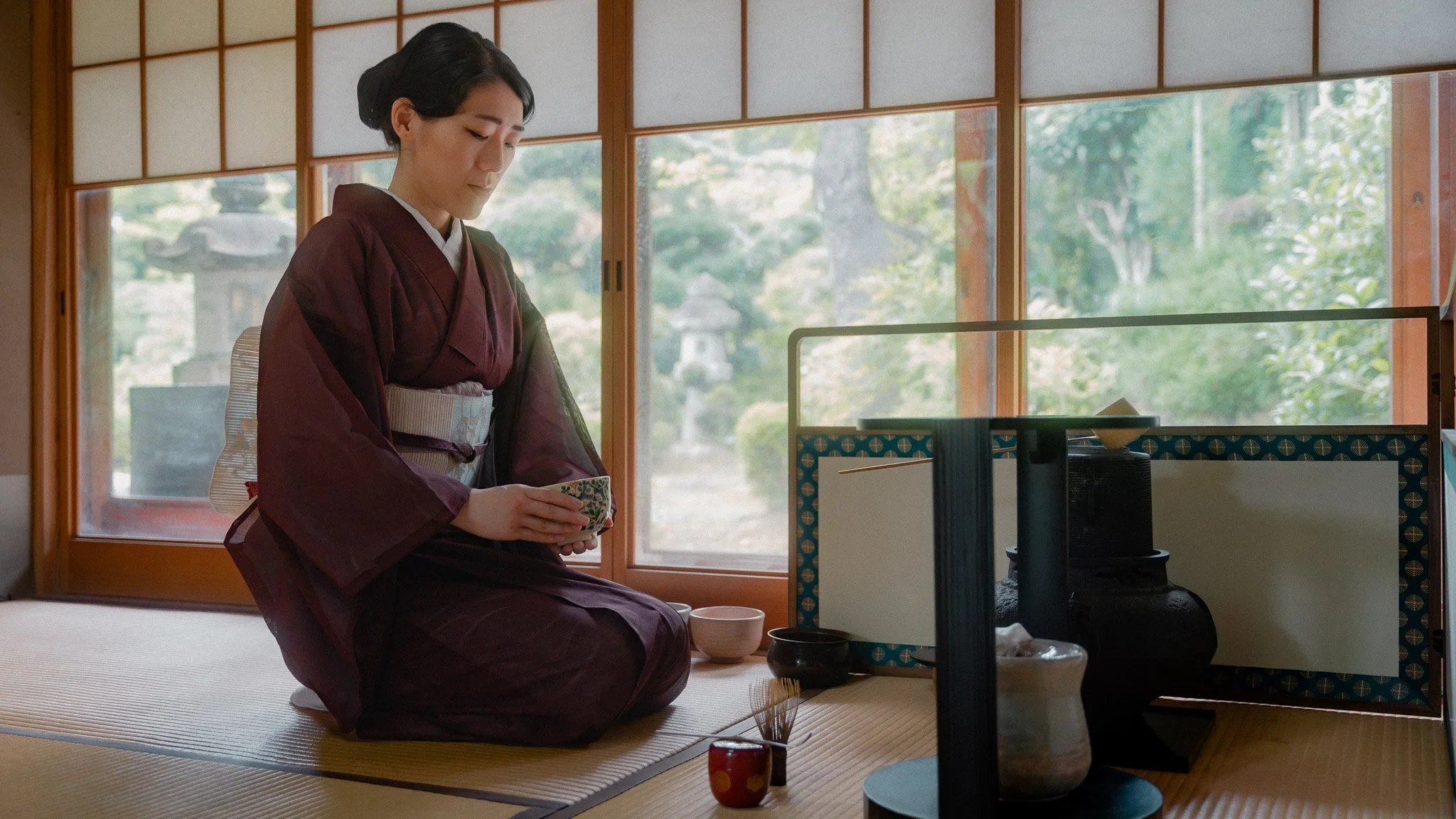
Step away from the everyday hustle and immerse yourself in a mindful journey of fine art, hospitality, and tranquility.
